
Faster Training, Fewer Errors Designed for ease of use, even first-time operators can run tests with confidence—minimizing training time and eliminating costly mistakes.

Stay on Schedule, Avoid Delays With efficient lead times and reliable logistics, your testing system arrives on time—keeping your production or research timelines intact.

Meet ASTM, ISO, CSA & More Every system meets international standards—ensuring accurate, audit-ready results for even the most regulated industries.

Everything You Need, Test-Ready from the Start Complete with fixtures, software, setup, and training—your system arrives fully equipped to meet your specific testing requirements.

Premium Results Without the Premium Price Premium performance without the premium price—reducing outsourcing costs and increasing in-house efficiency from day one.

Reliable Support & Calibration – Lifetime Service You Can Count On From installation to ongoing calibration, our expert team ensures your equipment runs flawlessly with responsive support you can trust.
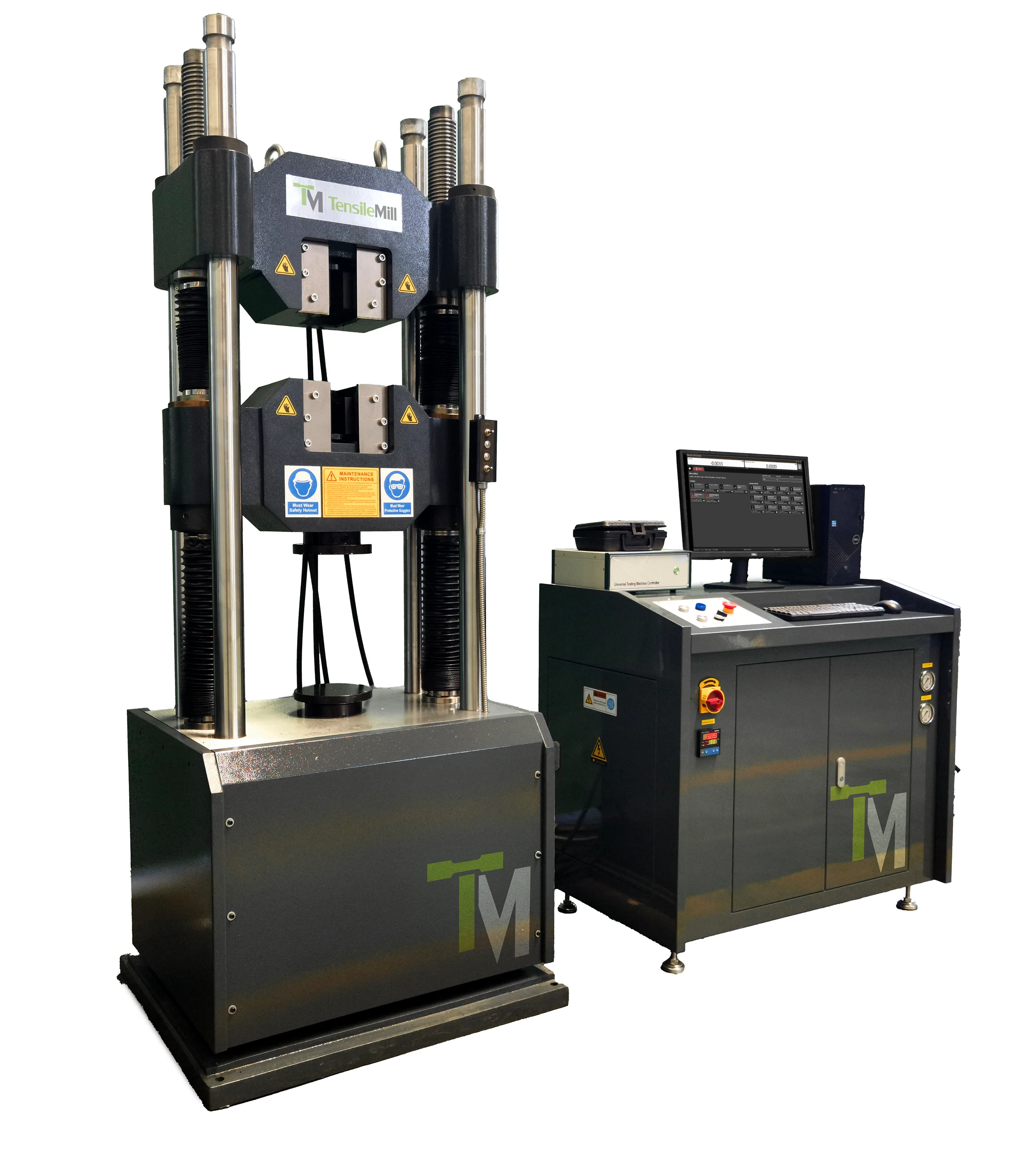
Servo Hydraulic Universal Testing Machine 2000kN

Servo-Hydraulic Universal Testing Machine (300 kN – 3000 kN)
The TM-SHM Series A Servo-Hydraulic Universal Testing Machine is a high-capacity system engineered for static tensile and compression testing of metallic materials under ASTM and ISO standards. Its dual-zone hydraulic load frame enables efficient tension–compression workflows without fixture changeover for QA laboratories and industrial testing environments. A rigid multi-column structure, high-resolution force measurement, and closed-loop servo control deliver stable and accurate performance across the 300–3000 kN range. Powered by GenTest software, the system supports standards-based test execution, real-time data analysis, and complete reporting for metal testing applications.
Electro Mechanical Universal Testing System 50kN / 1000kN with Precision Load Cell

Electro Mechanical Universal Testing System 50kN / 1000kN with Precision Load Cell
The TM-EML Dual Column Floor Standing Universal Testing System provides high accuracy with a tolerance of ±0.5% of the reading value. Its wide testing range spans from 50kN to 1000kN (11,240lbf to 224,800lbf), catering to virtually all metal testing requirements. These units can also be fitted with a sub cell for enhanced precision in lower capacity testing. Additionally, the system offers a comprehensive array of testing capabilities including tensile, compression, bending, shearing, and more, along with compatible extensometer solutions for comprehensive material analysis.
Dual-Column Benchtop & Floor-Standing Universal Testing System 5 kN / 50 kN with Precision Servo Control

Dual-Column Benchtop & Floor-Standing Universal Testing System 5 kN / 50 kN with Precision Servo Control
The TM-EML Series C Dual-Column Benchtop and Floor-Standing Universal Testing System is an advanced electromechanical solution engineered for precise and stable material testing in laboratory and industrial environments. Covering a force range from 5 kN to 50 kN (1124 lbf to 11,240 lbf), it combines a servo direct-drive system, FEA-optimized frame, and high-rigidity structure to deliver Class 0.5 accuracy with smooth, vibration-free crosshead motion. This versatile system supports tensile, compression, flexural, and cyclic testing for metals, polymers, rubbers, foams, and composites. With dual configuration options (benchtop or floor-standing) and extended-travel models, the Series C adapts to a wide range of applications—from R&D to production quality control—while offering intuitive GenTest™ software and modular accessory compatibility for streamlined, high-precision testing.
Dual-Column Benchtop Universal Testing Machine 100 N / 10 kN with Precision Servo Control

Dual-Column Benchtop Universal Testing Machine 100 N / 10 kN with Precision Servo Control
The TM-EML Series B Dual-Column Benchtop Universal Testing Machine delivers exceptional rigidity and precision for low-to-medium-force material testing. Designed for laboratories, universities, and production environments, it provides an accurate force range from 100 N to 10 kN (22 lbf to 2248 lbf) with ISO 7500-1 Class 0.5 accuracy. Its FEM-optimized dual-column frame and servo direct-drive system ensure smooth, vibration-free crosshead motion and perfect axial alignment for reliable tensile, compression, and flexural testing. Ideal for polymers, metals, foams, composites, and advanced materials, the Series B combines compact design with high stiffness, dual-channel safety logic, and advanced GenTest™ software for easy setup, real-time visualization, and automated data analysis—making it the benchmark solution for precision benchtop testing.
Single-Column Benchtop Universal Testing Machine 50 N / 5 kN with Precision Servo Control

Single-Column Benchtop Universal Testing Machine 50 N / 5 kN with Precision Servo Control
The TM-EML Series A Single-Column Benchtop Universal Testing Machine is a compact yet high-performance electromechanical system designed for precision testing of low-force materials. Covering a force range from 50 N to 5 kN (11 lbf to 1124 lbf), it provides exceptional accuracy meeting ISO 7500-1 Class 0.5 standards. The system’s rigid single-column frame, pre-loaded ball screws, and direct-drive servo motor deliver smooth, vibration-free motion and stable control at speeds up to 2400 mm/min. Ideal for laboratories, research centers, and quality-control environments, it enables reliable tensile, compression, and flexural testing of plastics, rubbers, films, foams, composites, wires, adhesives, and other lightweight materials. Integrated GenTest™ software and modular accessory compatibility ensure intuitive operation and full compliance with ASTM and ISO standards.
Grips and Fixtures for TensileMill Universal Testing Machines

Grips and Fixtures for TensileMill Universal Testing Machines
Grips and fixtures are critical accessories for TensileMill Universal Testing Machines, ensuring accurate specimen holding and reliable load transfer during tensile, compression, flexural, shear, and puncture tests. Each configuration is designed to maintain specimen geometry, minimize slippage, and comply with ASTM, ISO, and other international standards. TensileMill CNC offers a complete range of grips and fixtures tailored to different materials and test methods — from wedge and pneumatic grips for metals and composites to self-tightening, eccentric roller, and bending fixtures for flexible, elastic, and brittle specimens. These precision-engineered components enable consistent, repeatable testing performance across research, quality control, and production environments.
Precision Alignment Device (NADCAP-Ready Precision Fixture)
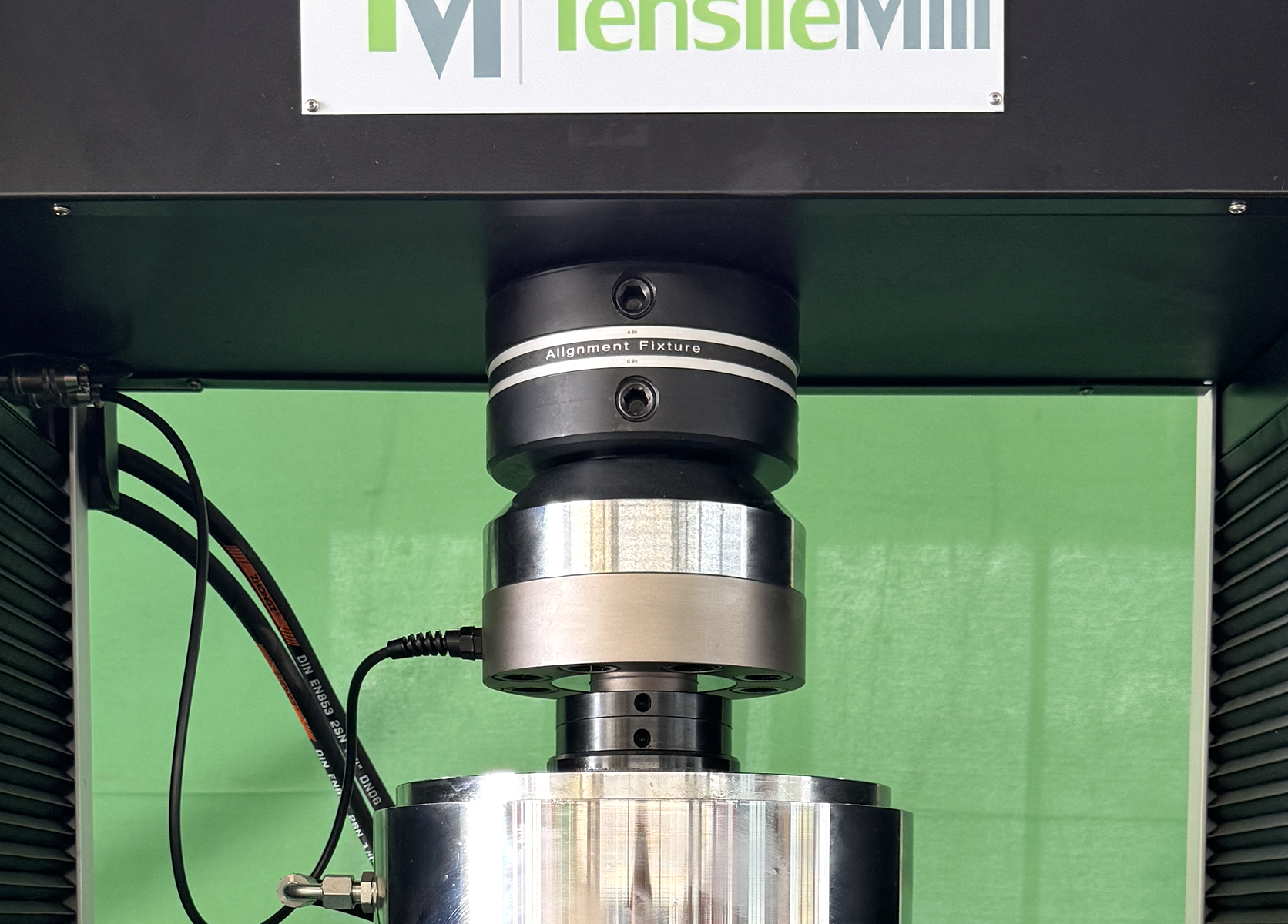
Precision Alignment Device (NADCAP-Ready Precision Fixture)
The Precision Alignment Device is a critical upgrade for any universal testing machine, designed to ensure perfect coaxial alignment and eliminate bending stress during material testing. Compatible with TensileMill CNC and third-party frames like Instron®, this NADCAP-ready fixture fine-tunes alignment to within ≤5% misalignment, boosting accuracy and repeatability. Equipped with a high-precision coaxiality meter, the device supports fast, in-house alignment verification per ASTM E1012 and NASM 1312B standards. Ideal for tensile, compression, and flexural testing, it enables labs to meet strict compliance standards while improving operator efficiency and test result reliability.
What It Takes to Do the Perfect Tensile Test
TensileMill CNC Inc. is well known for manufacturing top-tier tensile specimen preparation machines, we take pride in also offering cutting-edge tensile testing equipment that complies with the latest international standards. We achieve this by partnering with leading manufacturers of tensile testing equipment in the United States and around the globe.


We handpick our established and reputable partners based on their reflection with our philosophies. The company's values include the ultimate customer experience, a user-friendly, efficient, cost-effective solution, and superior after-sales technical support to stay on top of your projects. With hands-on experience in sample preparation methods and materials testing, we combine years of field experience with industry best practices. As a result, we can match end-users with quality tensile testing equipment based on their needs.
You can submit your specifications through the form below for us to compile an individualized list of Universal Testing Machines. This will take into account your needs, budget, and any other preferences you may have.
How Do I Select the Perfect Tensile Tester?
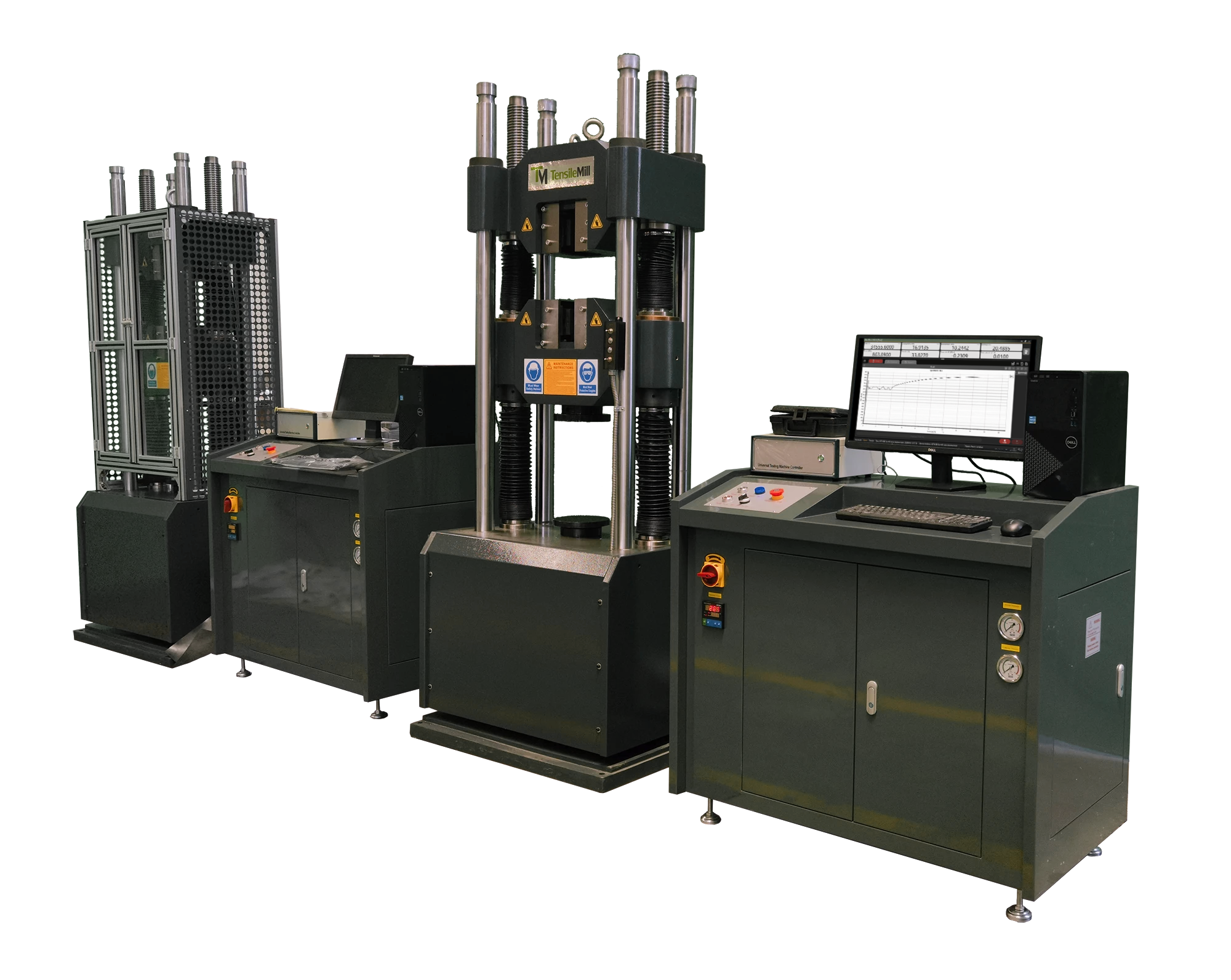
Tensile testing machines must be selected based on several factors. If you are upgrading quality and functionality, or have decided to move materials testing in-house, you want to make sure that you are not buying a machine that won't meet your requirements. As a rule, you will be guided by the type of testing you will perform - tensile, compression, fatigue, etc. - as well as the ASTM or ISO standards for the market you will enter. Among other factors to consider when selecting the perfect tensile tester are:
Optimal Performance Speed - Analyze the machine's capabilities by examining specifications like motor speed, actuator efficiency, and drive horsepower to achieve top system performance.
Essential Load Capacity - Determine the necessary machine size based on your material testing load requirements. Depending on your maximum load requirements and whether hydraulic or electromechanical power is best for you, you can choose compact tabletop models or robust floor models.
Precise Test Calculations - It is very important to choose a tester with an appropriate control system. If complex calculations and a comprehensive standards library are required, PC-based software may be necessary, or a simple stand-alone digital controller may suffice.
Versatile Grips and Fixtures - Choose the right grips and fixtures for your samples, whether pneumatics, manuals, or specialized for rope and thread, to match your industry's needs. It may be necessary to create custom fixtures for samples with unusual shapes and sizes.
TensileMill CNC Inc. works with top-tier manufacturers of tensile testing equipment in North America and Europe, allowing you to choose from a wide selection of applications using a simple online form.
Additional Considerations When Choosing The Right Tensile Tester
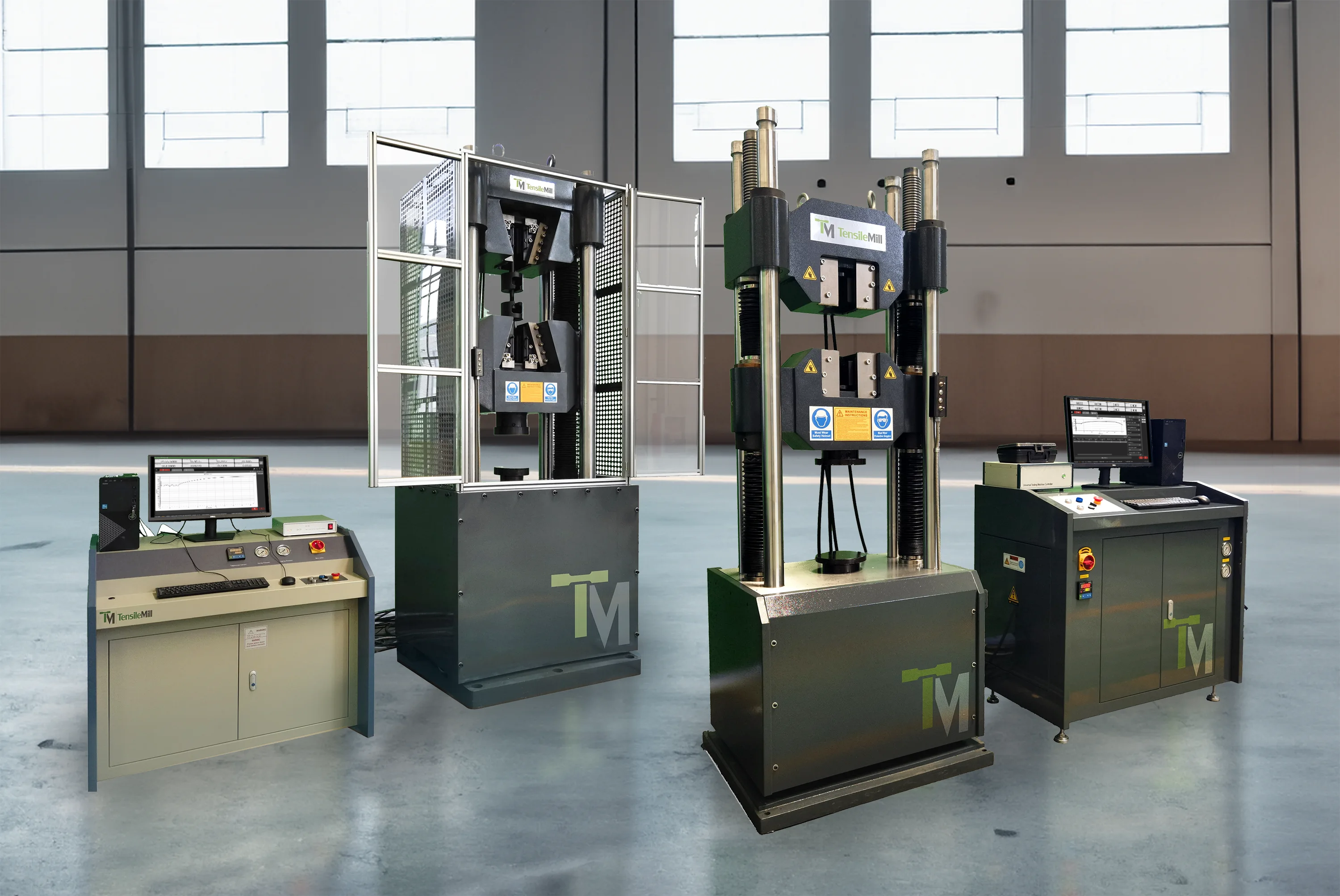
There are many different types of tensile testers, each with a unique feature. The right tool for your tensile testing equals a reliable manufacturer. Choosing a reliable manufacturer is the same as choosing the best tools. Ask these key questions when choosing a manufacturer for your tensile testing needs:
- Is the company established and has a good reputation?
- Can I contact organizations who currently have their equipment ?
- Is the company quick in replying to service and support inquiries?
- Where are the machines manufactured?
- Are the spare parts readily available and easily replaceable?
- What maintenance measures does the machine require?
- What is the expected life expectancy of the machine?
Our goal is to match all your requirements with an ideal manufacturer, guaranteeing that those criteria are met. You can let us know what you need by filling out the form below. By taking this step, you will be able to make an informed decision with confidence.
How Do I Prepare the Perfect Tensile Specimen?
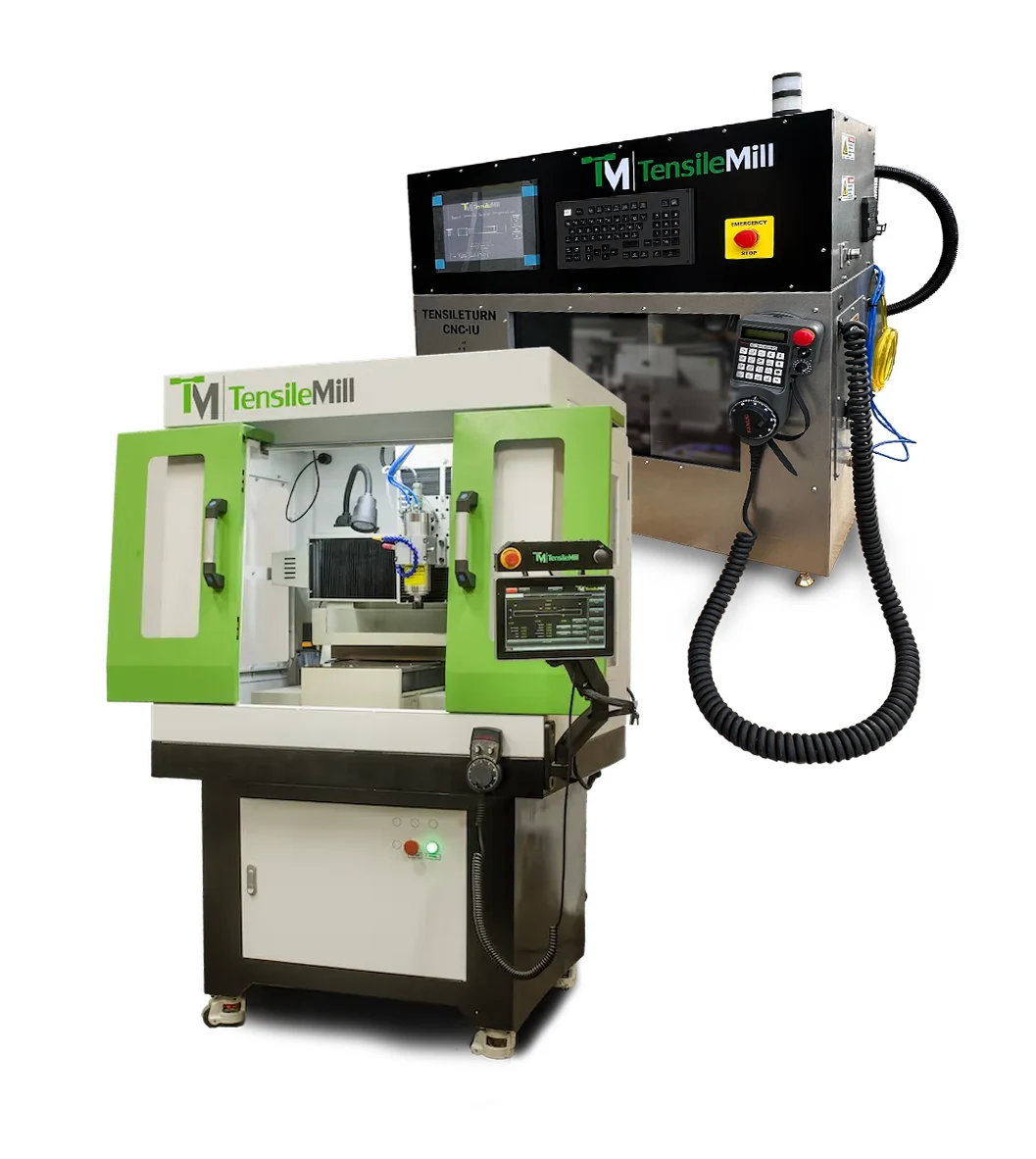
In the past, manufacturers had to send their raw specimen batches of material to a specialist testing facility for the preparation of material property data. Materials would then be milled to create tensile specimens, which would be tested on a tensile tester to determine the properties of the materials.
Recently, manufacturing facilities have recognized the value of bringing testing equipment in-house to save time and money. Furthermore, they gain control over what passes a quality material standard, what testing method is most efficient, and under what conditions the most reliable data can be obtained. This process also saves weeks, quickly justifying the initial investment.
You can now prepare the highest-quality tensile specimen with only a few button pushes by investing in an affordable, industrial-grade tensile sample preparation machine. Whenever there is a high test volume or you want more control over the preparation of test samples, there are manufacturers who provide tensile specimen preparation equipment you can use in-house. As a manufacturer and distributor of both flat and round specimen preparation machines, TensileMill CNC Inc. is a prominent example of quality tensile specimen preparation equipment.
Our tensile specimen preparation equipment meets ASTM, ISO, DIN, JIS, and more standards for virtually all types of materials and has superior ease of use, accuracy, and efficiency. With intuitive software, even engineers with little experience can operate these machines easily. You will greatly benefit from learning more about TensileMill CNC's tensile sample preparation equipment if you are involved in testing, manufacturing, or production.
How Do I Perform the Perfect Tensile Test?
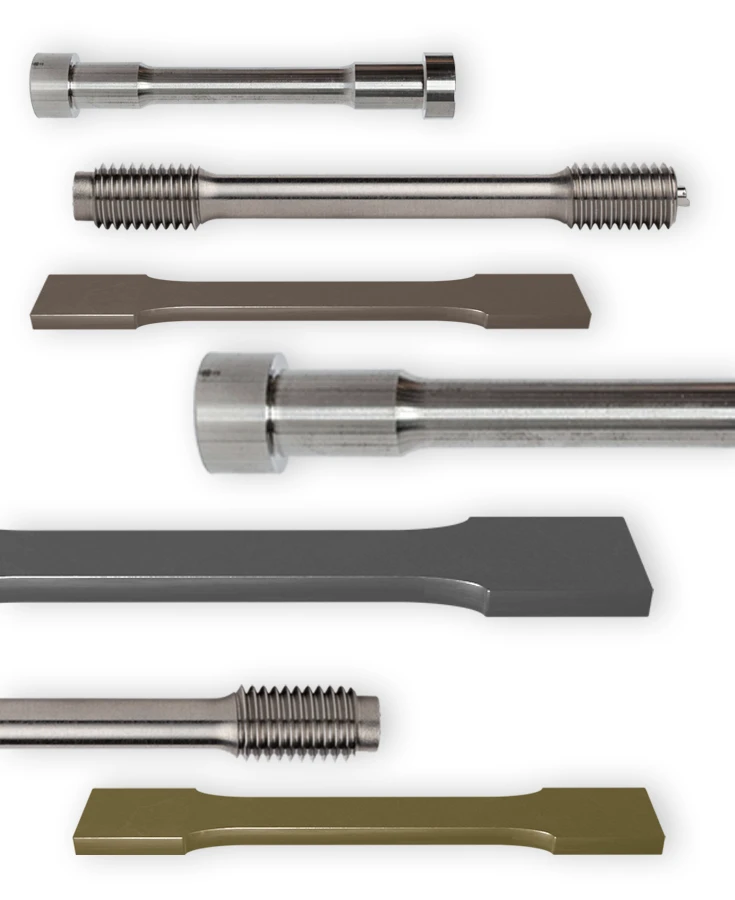
Tensile Testing will expose the sample to a controlled amount of tension until failure occurs. During this test, other material properties can also be determined to guide design or production teams in making product or component improvements. Measurements of direct properties such as breaking strength, reduction in area, maximum elogation, and the ultimate tensile strength of the material can be used to determine other analytic properties through engineering calculations.
The tensile specimen is prepared depending on the test method or equipment being used and the specifications governing the type of material being tested. Usually a sample cross-section will feature a specimen with large, grippable shoulders and a gage section between the shoulders. The smaller gage section is where the controlled deformation and failure test is performed.
The specimens are prepared with either a square or round gage cross-section. The shoulder areas must be ample enough to permit a firm grip by the testing fixture. This gage length may vary depending on the standard specs being followed or the country ISO standards being used - and will also change in relation to the specimen diameter or cross-sectional area. The most common tensile testing guidelines can be found in ASTM D638.
We encourage you to fill out the form below to be connected with the optimal manufacturer of Tensile Testing should you need any further help or in-person assistance.
GET A QUOTE
What Are the Installation and Setup Requirements for the TensileTurn CNC XL?
What Round Specimen Sizes And Types Does The TensileTurn CNC XL Support?
What Round Specimen Capacity Does The XL System Support For ASTM E8 And ISO 6892 Workflows?
What Specimen Sizes And Standards Does The TensileTurn CNC XL Support?
What Specimen Capacity And Material Range Does The TensileTurn CNC XL Support?
How Does The TensileTurn CNC XL Maintain Concentricity And Surface Finish For ASTM E8 Round Specimens?
Our universal testing machines and tensile testers are designed for precise, repeatable mechanical testing across a wide range of materials. Built to meet ISO 6892 and ASTM E8 standards, our electromechanical and servo-hydraulic systems deliver reliable tensile and compression results in both laboratory and industrial environments. Whether you’re looking for a digital tensile tester, a dual-column system, or a fully automated material strength testing machine, we offer ISO-compliant solutions tailored to your application. Request a quote today for high-force, computerized tensile testing equipment trusted by engineers worldwide.